What to Grow
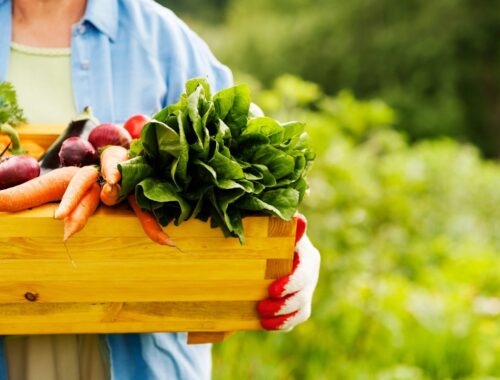
When building a greenhouse, it’s good idea to plan what to grow. Some people love to grow flowers so they may start their seeds in small containers. Others love to grow herbs and spices to use in the kitchen, they need to collect their seeds to get started. The vegetable gardener will want an early start in the garden, but not too early or frost may take your crop.
When you finally decide on what to grow, it’s time then to do some pondering about what you will need. Before you start anything it’s a good idea to do a little research on what grows well, how much sun/shade the items need and how much water. After you get done doing this research you can either add to or subtract from your decisions on what to grow.
Growing flowers is always very rewarding, we grow outdoor flowers for all sorts of reasons. Cut flowers for the home add color, beauty and sometimes fragrance to our environment. Potted flowers for the porch, deck, or patio are nice because they add focal points in different outdoor areas where we can then add some seating and a table. Not to mention, then attract bees to our garden, we need our fuzzy friends to pollinate so we can grow vegetables and fruits.
It can take some time to figure out what to grow. Hanging plants can get a start in our greenhouse to be transferred to their pots later. This will add some color pops in places where perhaps we don’t have a flower bed or deck. A sturdy beam, deck post or rafter tail makes a nice place to put a hook for a hanging flowerpot. If you are interested in building a Green house, you can start planning right away click here
Sun or Shade
A good thing to consider when deciding what to grow is the amount of sun and shade preferred. Flowers can be beautiful and colorful; they can thrive and grow exponentially if their requirements are met. As a person gardens, they get a good idea about what they can grow where they live. After years of experience, trials, and triumphs I got everything figured out only to move to a completely new environment with new challenges.
I went from a damp environment about 600 feet above sea level to a high dessert environment at approximately 2,800 feet above sea level. Summer is very hot, and winter can be very cold. The high desert can get chilly at night even in the summer, a greenhouse is very useful for this reason alone.
Protect Your Garden
While the temperature fluctuation is concerning another concern lurks for any gardener on acreage. Rabbits, birds, squirrels, porcupines, marmots, coyotes, deer all visit us regularly. Gardeners need to take precautions because they will eat everything. Number one is deer fencing at least 6 feet tall. Moving objects are not popular with deer so put some on the fence. I have smaller critters so I needed a portion of my fence to be “rabbit proof”. We drove in our fence posts, then we applied our fencing 2.5 feet off the ground ( for height ) then I applied smaller rabbit proof fencing to the bottom. This can be a money saver.
Fence Posts
Fencing
Rabbit proof fencing
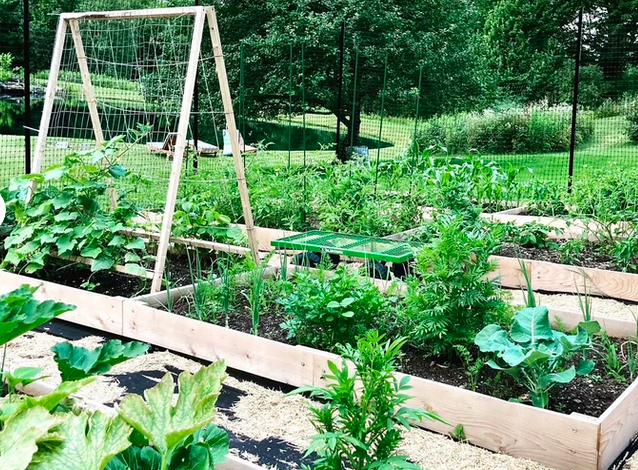
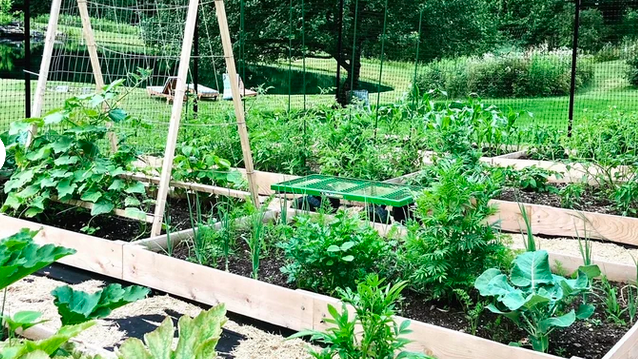
Our burrowing friends like to eat bulbs and flowers from the bottom up. It’s sad and hard to combat. The one and only solution I have found is to build a garden box. Raised garden boxes are nice because they raise up your “crop” it can be easier to harvest and tend. Directions for building a raised Garden Bed
When building your box, put small square metal screen on the bottom. My dad called it “rabbit caging”, this way the critters cannot burrow under your raised bed and eat your carrots, potatoes, bulbs, and plant roots. I like this particular fencing for the bottom of my raised garden beds: Click here for fencing
Challenge of raised beds and what to grow in them
Gardening in raised beds is a transition from the straight-out garden in the ground. Raised beds tend to dry out faster than crops growing in the ground. This should not dissuade you from growing in a raised beds but does raise the concern of what to grow in your raised beds.
I find special soil mixed for raised beds. They contain the same type of “beads” you find in a baby diaper. The beads absorb moisture only to release it slowly, into the soil in this case. Raised Garden Bed Soil
Raised beds need to be about 2- 3 feet tall, so I have plenty of room when I make my final decision of what to grow. Outside the back door of our greenhouse will be an outdoor raised garden with deer fencing. We will be deciding what to grow on the outside as well as the inside of our new greenhouse.
Find information here: https://garden.org/
Recycle and re-use while you grow
It’s a great idea and money saving to re-use materials when starting a garden. It is convenient to start seeds in plastic trays. The trays need to be purchased and you can be just as successful sprouting seeds in empty toilet paper and paper towel rolls. This is especially nice because they are biodegradable and can be planted right with the sprout. Be creative and find biodegradable materials to plug one end. Fill with soil and plant a seed from your list of what to grow in your garden.
Always keep the containers you buy plants in so you can re-use them in the greenhouse.
Old wood boxes and crates make great shelves so don’t get rid of them, just re-purpose them.
When you buy heirloom seeds, they can be kept and re-grown. Save the seeds of your crop and they will grow strong and beautiful for years to come.
Tools you will need to build your raised Garden Bed:
Drill- I personally use this drill on all my projects: My Drill
Hubby has a more manly drill set, it does come in handy: Hubby’s Drill
I like a longer screw to put my raised Garden Beds together, 2 1/2 inches works for me: My Raised Bed Screws
What to Grow:
Basil , Rosemary, Lavender
Sweet Mint
Italian Parsley
Lemon Thyme
Dill
I find so many plants, flowers, vegetables and herbs at Home Depot, it’s always the first place I look for what I want to grow.
Enjoy! Always enjoy the garden, the earth, the beautiful growth and the delicious nutrition it produces. I know in our home; we are looking forward to the summertime and what to grow. On our list will be all the wonderful fresh vegetables and fruits we enjoy.
Read about our greenhouse here: https://comfortyoursoulfoods.com/2022/09/build-a-greenhouse/
Affiliate Disclosure
This post may contain affiliate links. If you purchase through these links, I may earn a small commission at NO additional cost to you. These commissions are paid by the company. I only recommend products I use and/or believe provide value to gardeners and DIY enthusiasts.
Building a Greenhouse